Mascot Logos Rising Again: Character-Driven Branding
Mascot Logos
Mahnoor Khan
DateDecember 1, 2025

Mascot Logos Rising Again: Building Personality with Character-Driven Branding

When you reach out to a logo designing company in Dubai, the first things that usually come to mind are flat designs and minimalistic styles. But what if you flip the script and go for logos with mascots to draw attention? Mascot logos aren’t a new trend, but the character behind them makes things far more entertaining for the audience.

Your audience isn’t surprised by a traditional brand logo anymore, but things get interesting when you introduce a mascot. A mascot is a character illustration that helps shape the personality of a brand.

More brands are now embracing character-driven branding. These mascots are becoming the identity, face, personality, and even the heart of a brand. This shift creates a stronger connection with the audience.

Mascots aren’t just cute visuals, they embody values, tell stories, and act as brand ambassadors across everything from social posts to packaging. In short, mascot branding is making a comeback because modern brands want to build real relationships with people.

Why Are Mascot Logos Becoming Popular Again?

1. Cultural Shifts & Emotional Engagement

The cultural shift of logos is now about creating a stronger preference that reflects authenticity, personality, and relatability in brands. 

Static, faceless corporate logos are less compelling when people are looking for a purchase. The attention is not only on “why” one should buy this product, but also on what connection they feel with the brand. A well-designed mascot delivers emotion, narrative, and a point of connection.

Using characters or mascots can create a 41% stronger emotional connection with audiences than traditional ones. This emotional bond can be hard to forget and creates a lasting impression on your audience.

2. Digital & Social Media Storytelling

Social media platforms are built for storytelling.

 With mascots, you can easily narrate a story of your brand. Through animations, GIFs, short videos, and interactive content, mascots can bring a brand alive and entertain the audience. It can make the audience feel evolved, and real to the audience.

A mascot (especially an animated one), can enhance the social presence of a brand. It can boost engagement, improve website satisfaction, revisit intention, and even improve customer satisfaction.

3. The Rise of Character-Driven Campaigns

With the emergence of AI tools, generative art, and digital storytelling, mascots have become a go-to trend for brands. As a brand owner, you need to add character to your brand and leverage mascot branding trends to emphasize narrative, emotion, and community.

Branding experts note that well-integrated mascots are no longer just visuals; they’re dynamic assets that narrate your brand story. The Branding Journal states that mascot logos are not just part of strategy but creativity, too. Here’s what makes them effective.

What Makes Mascot Logos Effective?

Before you start designing a mascot for your brand, it’s important to understand that not every mascot works. You need to create an effective and unique mascot logo design for character-driven branding. Here’s how.

  1. Personality & Emotional Appeal
    Mascots bring human or anthropomorphic traits to your brand. Whether they’re friendly, mischievous, wise, or energetic, they evoke emotion. That emotional appeal helps your brand become more than a product; it becomes a companion or guide. 
  2. Memorability
    Characters are stickier than shapes or text. A unique mascot has the power to become a visual anchor, something audiences remember long after seeing it just once.
  3. Brand Loyalty & Identity
    A mascot acts as a brand ambassador, reinforcing your values and building recognition over time. As customers grow comfortable with the character, they begin to form a bond,  not just with the image, but with the story and values behind it.
  4. Versatility
    Mascots aren’t limited only to logos. They can be part of your brand campaigns, animations, merchandise, packaging, or more. These mascots boost engagement with consumers and create a brand toolkit that you can use whenever you need.
  5. Performance Benefits
    Campaigns with mascots have shown a significant competitive advantage. It has been observed that character-driven campaigns can result in 41% higher market-share gain versus non-character ones, along with more profit and new customer acquisition.

Types of Mascot Logos

There’s no one-size-fits-all when it comes to mascot branding. You need to consider your brand and products to understand which type of mascot logo will work for you. Mascot logos can take many forms. Here are common styles, and how they work in practice:

1. Illustrated Characters

These full-fledged, detailed characters can be perfect for illustration. Think Tony the Tiger or Colonel Sanders. Illustrated mascots are rich in personality and can be tailored to express a wide range of emotions.
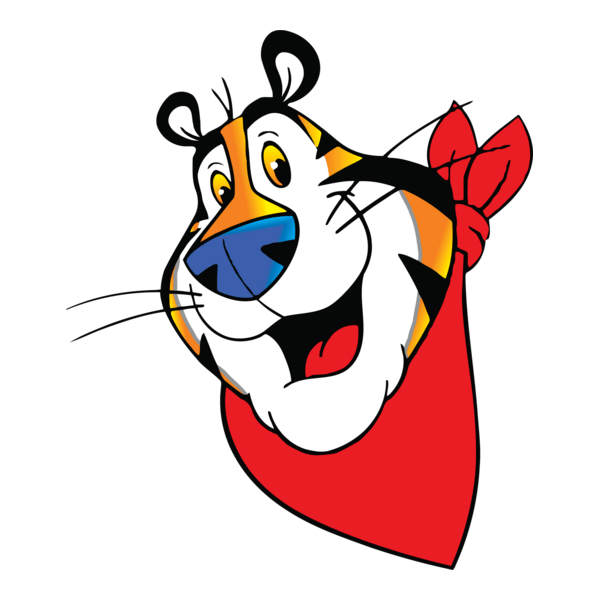
  • Example: Tony the Tiger, the iconic face of Frosted Flakes, projects energy, strength, and optimism.

Tony The Tiger Logo PNG Vector

Source

2. Animal Mascots

Animals are timeless and relatable mascot logos, especially if you’re targeting a younger audience.  From friendly bees to wise owls, animal mascots work well across age groups.

  • Example: Jollibee, the bee mascot of the fast-food chain, embodies warmth, hospitality, and Filipino optimism.

Source

3. Abstract or Anthropomorphic Characters

These mascots are more like humanized objects. These abstract shapes, or a non-animal figure, are a key to building a brand personality.
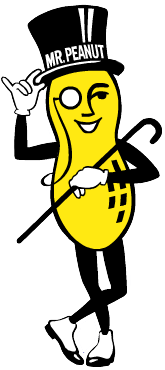
  • Example: Mr. Peanut, from Planters, is actually an anthropomorphic peanut wearing a top hat, monocle, and cane, quirky, refined, and instantly recognizable.

Source

4. Minimal Mascot Icons

Sometimes simplicity wins. A minimal mascot icon distills character into clean lines and basic forms, still expressive, but much more adaptable for varied use.

  • Example: Android mascot logo is the perfect example. It is recognized as a robot that symbolizes the android robots’ autonomy and flexibility. It mirrors the Android platform’s capacity to adapt across the platform.

Android Logo 2008

Source

How Mascots Strengthen Brand Personality?

When you design a mascot or reintroduce your brand, you’re doing more than picking a pretty face. Building a real, character-driven brand identity is important for powerful branding. Make sure the mascot you pick has a voice, tone, and emotional texture that reflect your brand. Here’s how the right mascot can strengthen your brand personality.

  1. Storytelling & Brand Voice
    A mascot gives your brand a face or personality that can craft stories. You can narrate the origin, mission, and growth of your brand via a mascot. Creating such brand narrative media, in ads, or in content marketing. For example, you can use a mascot to host Instagram reels, pop up in tweets, or feature in short animated clips.
  2. Campaign Integration
    With a character, you can run campaigns around “what would the mascot do?”. These campaigns can boost engagement, generate UGC, or build narrative-led content. It is one of the most followed mascot branding trends, where brands use mascots as central storytellers rather than side elements. 
  3. Packaging & Merchandise
    Mascots are perfect for physical touchpoints: packaging, stickers, apparel, toys. A well-loved mascot can turn into a collectible, driving loyalty and word-of-mouth.
  4. Digital & Social Touchpoints
    Using a mascot on all digital web platforms, such as app icons or chatbots, can represent consistency. They create a more “human” experience that helps brands feel relatable and approachable.

What to Consider When Choosing a Mascot for Your Brand?

Designing a mascot isn’t just about creating something aesthetic or adorable. To stand out, you need to think about how that mascot will live across platforms and interact with your brand ecosystem:

  • Digital Platforms
    • Animations & Reels: Before you design a mascot, you need to understand the platform. Will your mascot work as an animated character in short-form video or interactive campaigns?
    • Web Graphics: How can you use them to scale your website banners, icons, or headers?
    • App Icons: For mobile products, these mascots can be used to simplify the icons of a brand.
  • Brand Touchpoints
    • Merchandise: T-shirts, mugs, plushies. Will your mascot translate into merchandise well?
    • Stickers & Collateral: For social media, events, or packaging, you can use characters for packaging or stickers.
    • Physical Activation: If you run events or have a physical space, it will be on a costume or inflatable version of the mascot.
  • Longevity & Scalability
    • Make sure the design can be used for future reinterpretation (different expressions, outfits, moods)
    • Mascots should be able to evolve as the brand grows or pivots.

Tips for Designing a Strong Mascot Logo

To get the most from your mascot logo design and character-driven branding, here are practical tips:

  1. Keep It Simple but Expressive
    A complex design may look great, but it may not reproduce well in small sizes or on all platforms. Aim for simplicity in form, but make sure your mascot has a clear emotional range; a few key expressions or poses can go a long way.
  2. Match the Style to Your Brand Voice
    The design style (cartoonish, realistic, abstract) should align with your overall brand personality. As a start-up up it’s important to look for bright, fun illustrations to drive attention. As for B2B brands, a more formal, minimal, refined character will work the best.
  3. Design for Versatility
    Make sure your mascot works across use cases, from large posters to tiny app icons. Test it in black & white, full color, in flat and 3D forms.
  4. Plan for Adaptability
    Build a style guide or toolkit. Include various character poses, facial expressions, color variations, and usage guidelines so the mascot can flexibly adapt to different media, campaigns, and contexts. This is part of smart character-driven branding.
  5. Use Animation Strategically
    If you plan to animate your mascot, start with a few simple loops or interactions (waving, thumbs up, blinking). These animations can boost engagement, but only if done thoughtfully.
  6. Test with Your Audience
    Before finalizing, test early mascot concepts with your audience. A character that scores high on “relatable” or “memorable” is more likely to drive long-term brand loyalty. 

Why Mascot Branding Trends Are More Than Nostalgia

It’s easy to dismiss the resurgence of mascot logos as nostalgia. But the truth is, mascot branding trends are deeply aligned with modern marketing dynamics:

  • Brands today don’t just compete on product quality; they compete on story, identity, and emotional connection.
  • Audiences are more digitally savvy, but they also crave personality, community when it comes to character branding.
  • With AI, animation, and social-first media, brands can make mascots come alive in ways that weren’t as accessible before.

Final Word

Let’s face it, there are plenty of brands out there using generic and traditional logos. 

If you wish to create an impression, you need to think out of the box and create logos with mascots to gain attention. Why? Because they actually work. Mascot gives the brand a personality, evokes emotion, and fosters long-term relationships.

 As mascot branding trends evolve, using characters on live social media platforms, merchandise, animations, packaging, and more, adapting to modern demands while preserving the emotional core that makes them so effective.

So, as you think about your brand’s next chapter: Why not give it a face, one that smiles, speaks, and grows with you? Explore illustrated mascot logos, invest in thoughtful brand mascots, and embrace the power of character-driven branding.

whatsapp-btn